
Read time : 3 minutes
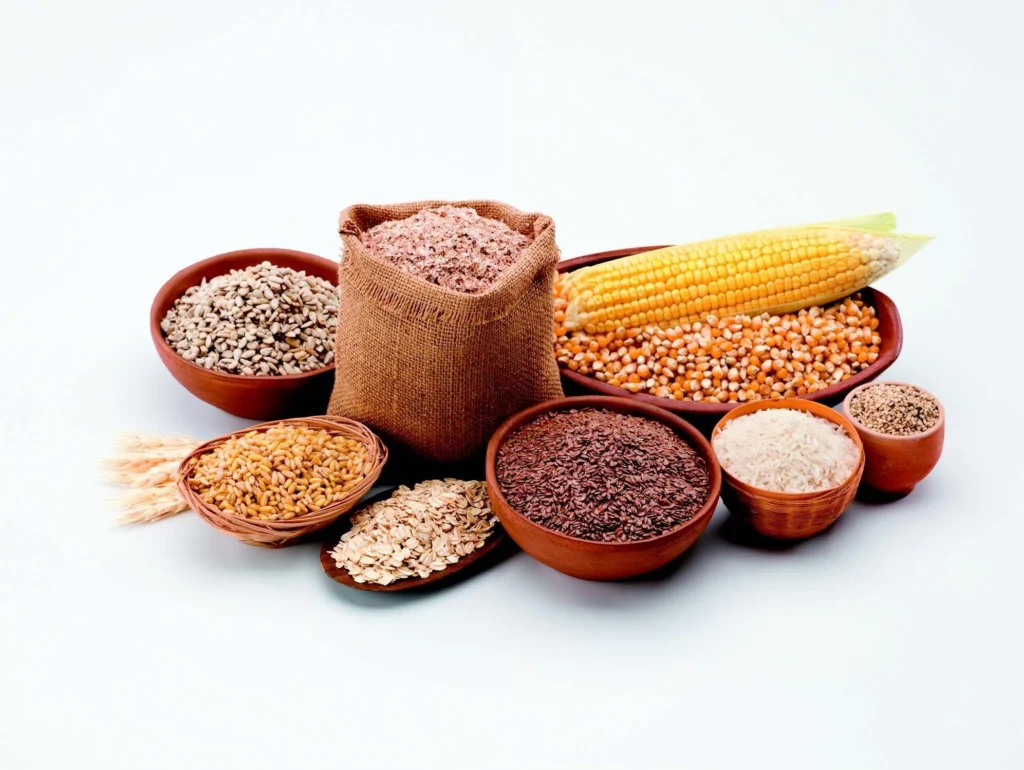
Grains are a staple in many diets around the world, forming the foundation of meals across cultures. From rice and maize to millet, sorghum, and oats, grains provide a significant portion of daily energy intake.
But beyond just filling the stomach, what do grains actually offer nutritionally? And how can we prepare them in ways that maximize their benefits?
What Makes Grains Nutritionally Valuable?
Grains, especially whole grains, are rich in essential nutrients that support overall health.
- A Reliable Source of Energy
Grains are high in carbohydrates, the body’s primary source of energy. They fuel daily activities, support brain function, and are especially important for physically active individuals.
- Rich in Dietary Fiber
Whole grains such as oats, brown rice, millet, and sorghum contain significant amounts of fiber. Fiber supports digestion, promotes gut health, and helps regulate blood sugar levels.
It also contributes to satiety, helping you feel full for longer periods.
- Packed with Essential Micronutrients
Grains provide important vitamins and minerals, including:
B vitamins for energy metabolism
Iron for blood health
Magnesium for muscle and nerve function
Zinc for immune support
These nutrients play key roles in maintaining overall wellbeing.
- Support for Heart and Metabolic Health
Diets rich in whole grains have been associated with reduced risk of heart disease, type 2 diabetes, and certain metabolic conditions.
Whole grains help improve cholesterol levels and support stable blood sugar.
Did You Not all grains are equal?.
Refined grains, such as white rice and white flour, have had the bran and germ removed, which reduces fiber and nutrient content.
Whole grains retain all parts of the grain, making them more nutrient-dense and beneficial for long-term health.
Where possible, choosing whole or minimally processed grains provides greater nutritional value.
How Can We Best Prepare Grains?
Preparation methods play a major role in how well nutrients are absorbed and utilized.
- Soaking
Soaking grains before cooking can help reduce anti-nutrients like phytates, which may interfere with mineral absorption. It also improves digestibility.
- Fermentation
Traditional methods such as fermenting maize for foods like kenkey or banku enhance nutrient availability and support gut health through beneficial bacteria.
- Cooking Properly
Adequate cooking softens grains, making them easier to digest and allowing the body to access nutrients more efficiently.
- Pairing with Other Foods
Combining grains with protein sources (such as legumes, fish, or nuts) and healthy fats improves overall nutrient balance and helps stabilize blood sugar levels.
- Portion Awareness
Even healthy grains should be consumed in appropriate portions. Excess intake, especially of refined grains, can contribute to blood sugar spikes.
The Takeaway
Grains are more than just a source of calories. When chosen and prepared wisely, they provide essential nutrients that support energy, digestion, heart health, and overall wellbeing.
The key is not to eliminate grains, but to choose whole varieties, prepare them properly, and combine them with other nutrient-rich foods.
In nutrition, it’s not just what you eat, it’s how you prepare and combine it that makes the difference.
Got questions? Drop them in the comments below—we would love to hear from you!
RD, LD Julius Sammah
MyHealthCop Certified Dietician
Ready to Take the First Step?
👉 Book a 1-on-1 Session with any of our Certified Dietitian professionals to start your health journey today. [DOWNLOAD THE APP]

Popular posts

Reach Us on Our Social Media Platforms