
Read time : 2 minutes
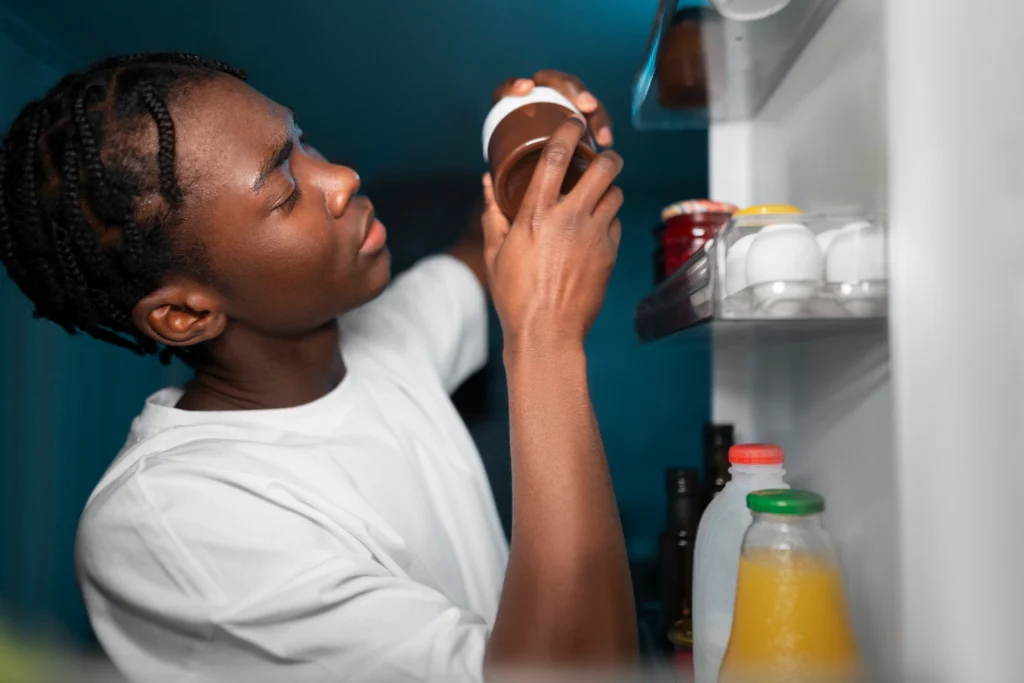
Imagine opening your refrigerator and finding leftovers from two days ago. They look perfectly fine. There are no strange colors, no unpleasant smell, and nothing appears unusual. Would you eat them?
For many people, the answer is yes. We often trust our eyes and nose to decide whether food is safe. But is that enough?
The truth is, food can look, smell, and even taste perfectly normal while still being unsafe to eat. This is why food safety experts encourage us to rely on safe food-handling practices rather than on our senses alone.
Why Your Senses Can Be Misleading
Our eyes, nose, and taste buds are useful for detecting obvious spoilage, but they cannot detect many of the harmful microorganisms that cause foodborne illnesses.
Bacteria such as Salmonella, Campylobacter, and certain strains of Escherichia coli (E. coli) do not always change the appearance, smell, or taste of food. Viruses and parasites are also invisible to the naked eye. This means a meal that seems fresh can still contain enough harmful microbes to make you seriously ill.
In other words, looking good doesn’t always mean being safe.
When Food Gives You Warning Signs
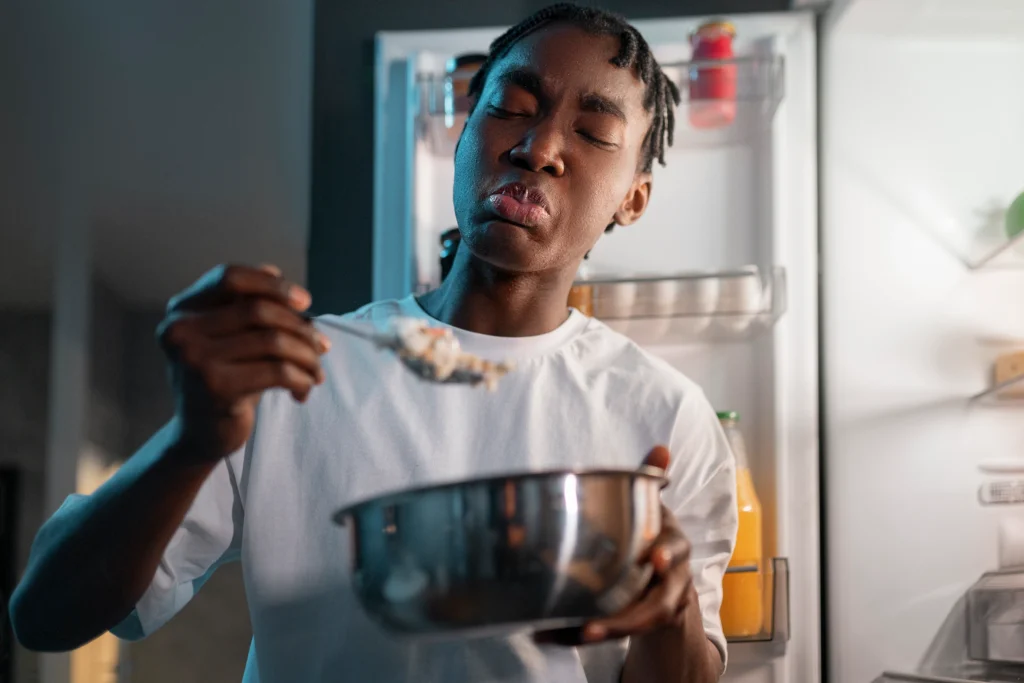
Although harmful microorganisms are often invisible, some foods do show clear signs that they should not be eaten. Mould growing on bread or fruit, sour or rancid odours, unusual discolouration, slimy textures, swollen cans, or damaged food packaging are all warning signs that food may have spoiled or become contaminated.
When you notice these changes, the safest decision is to throw the food away. Removing the mouldy portion or reheating spoiled food does not always eliminate the risk, as some microorganisms produce toxins that remain even after cooking.
The Hidden Danger Is Improper Handling
Food does not have to spoil visibly before it becomes unsafe. Improper handling is one of the biggest contributors to foodborne illness.
For example, cooked rice left on the kitchen counter for several hours may still look fresh, but it can contain bacteria that multiply rapidly at room temperature. Similarly, cooked chicken that has not been refrigerated promptly may become unsafe long before it develops an unpleasant smell.
The World Health Organization emphasizes that keeping food out of the “danger zone” between 5°C and 60°C is essential because bacteria grow rapidly within this temperature range.
So, How Can You Tell If Food Is Safe?
Instead of relying only on appearance, use a combination of safe food practices. Check expiry or use-by dates, store foods at the correct temperature, refrigerate leftovers promptly, cook foods thoroughly, and always maintain good kitchen hygiene.
When in doubt about how long food has been left out or whether it has been stored correctly, it is always safer to discard it than to risk illness.
As the old food safety saying goes, “When in doubt, throw it out.”
What You Should Know
Your senses are helpful, but they are not food safety experts. Many harmful bacteria cannot be seen, smelled, or tasted, making it impossible to judge food safety by appearance alone.
Protecting yourself and your family starts with proper food handling, storage, and preparation—not guesswork.
The next time you look at a meal and think, “It looks fine,” remember that safe food is determined by how it was handled, not just how it looks.
Think About This
Before taking that next bite, ask yourself:
Am I trusting my eyes, or am I trusting safe food practices?
Sometimes, the healthiest decision is not finishing the meal, it is knowing when to let it go.
Got questions? Drop them in the comments below—we would love to hear from you!
RD, LD Julius Sammah
MyHealthCop Certified Dietician
Ready to Take the First Step?
👉 Book a 1-on-1 Session with any of our Certified Dietitian professionals to start your health journey today. [DOWNLOAD THE APP]

Popular posts

Reach Us on Our Social Media Platforms