
Read time : 4 minutes
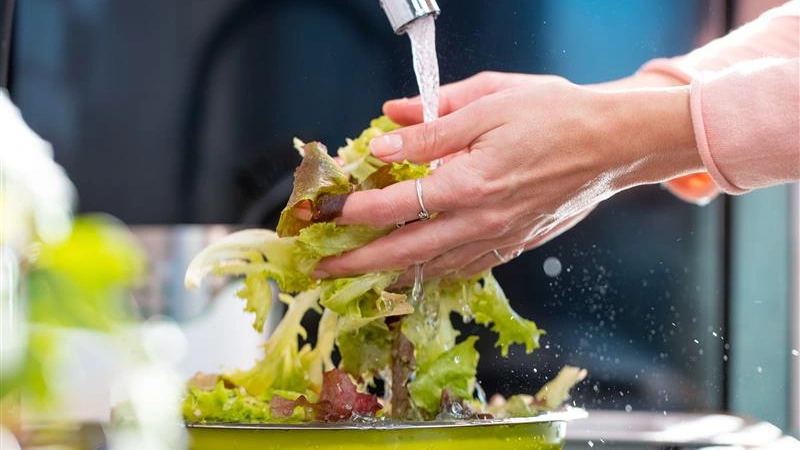
When we think about healthy eating, we often focus on choosing more fruits and vegetables, reducing sugar, or eating whole grains. But there’s another aspect of nutrition that deserves just as much attention: food safety.
A meal can be rich in nutrients and beautifully prepared, yet if it is contaminated with harmful bacteria, viruses, parasites, or chemicals, it can quickly become a source of illness rather than nourishment.
Food safety is not simply about avoiding food poisoning. It is about protecting your health every time you prepare, cook, store, or eat food.
What Is Food Safety?
Food safety refers to the practices that keep food safe from contamination throughout its journey, from production and transportation to preparation and consumption.
Contamination can occur at any stage. Fresh vegetables can carry microorganisms from the farm, raw meat can spread bacteria to ready-to-eat foods, and cooked meals left at room temperature for too long can allow harmful bacteria to multiply rapidly.
Practicing good food safety helps reduce the risk of foodborne illnesses and protects everyone, especially young children, older adults, pregnant women, and people with weakened immune systems.
How Does Food Become Unsafe?
Food can become unsafe through several routes. Poor personal hygiene, using contaminated water, improper cooking, cross-contamination between raw and cooked foods, and incorrect storage temperatures are among the most common causes.
For example, using the same chopping board for raw chicken and fresh salad without washing it can transfer harmful bacteria from one food to another. Likewise, leaving cooked food on the kitchen counter for several hours creates conditions where bacteria can multiply quickly.
Many foodborne pathogens cannot be seen, smelled, or tasted, making safe food handling even more important.
The Five Keys to Safer Food
The World Health Organization promotes five simple but effective principles that every household can follow.
- Keep Everything Clean
Wash your hands thoroughly with soap and clean water before handling food and after touching raw meat, poultry, seafood, or eggs. Clean kitchen surfaces, utensils, and chopping boards regularly to reduce contamination.
- Separate Raw and Cooked Foods
Raw foods, particularly meat, poultry, seafood, and eggs, should always be kept separate from cooked or ready-to-eat foods. Using separate utensils and cutting boards helps prevent cross-contamination.
- Cook Food Thoroughly
Cooking food to the appropriate temperature kills most harmful microorganisms. Meat, poultry, seafood, and eggs should be cooked completely, ensuring they are no longer raw in the center.
- Store Food at Safe Temperatures
Perishable foods should be refrigerated promptly. Avoid leaving cooked food at room temperature for more than two hours, or one hour if the environment is particularly hot. When reheating leftovers, ensure they are heated thoroughly before serving.
- Use Safe Water and Fresh Ingredients
Clean water is essential for washing produce, cooking, and preparing beverages. Choose fresh ingredients whenever possible and avoid consuming foods that have expired, show signs of spoilage, or have damaged packaging.
Food Safety Begins at Home
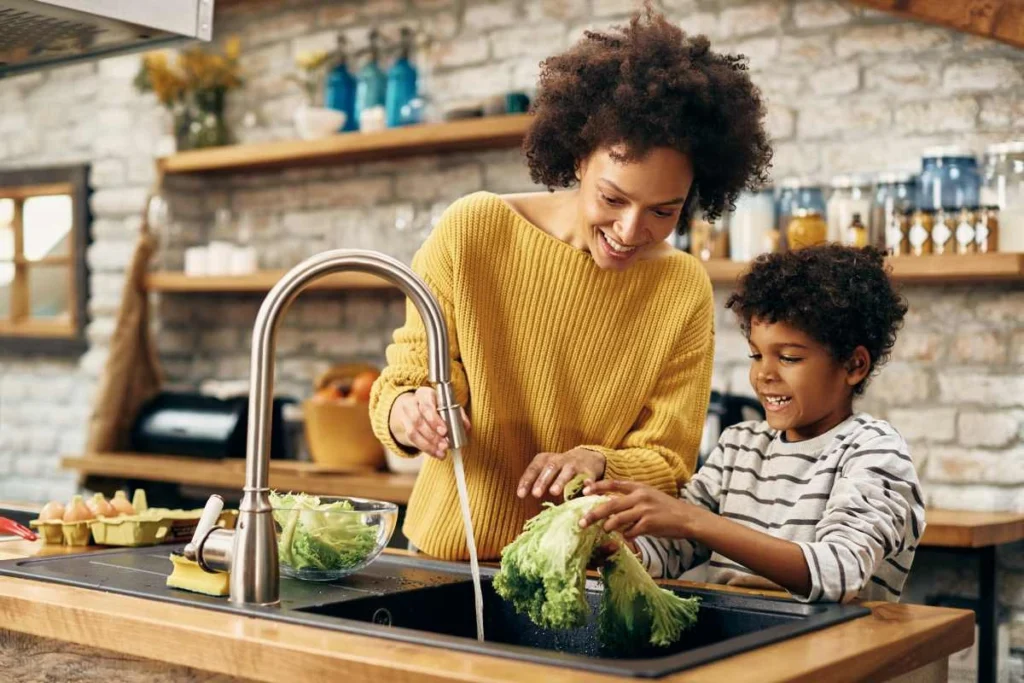
Food safety is not only the responsibility of food vendors, restaurants, or manufacturers. Every household plays a critical role. Simple habits such as washing fruits and vegetables under clean running water, checking expiry dates before purchasing food, refrigerating leftovers promptly, and maintaining a clean kitchen can significantly reduce the risk of illness.
These actions may seem small, but together they protect families every day.
The Takeaway
Healthy eating is about more than nutrients. A balanced meal only supports health when it is also safe to eat. By practicing proper hygiene, preventing cross-contamination, cooking foods thoroughly, storing them correctly, and using safe ingredients, you can greatly reduce the risk of foodborne diseases. Food safety is not an occasional practice. It is a daily habit that protects your health, your family, and your community.
Choose nutritious foods. Handle them safely. Eat with confidence.
Got questions? Drop them in the comments below—we would love to hear from you!
RD, LD Julius Sammah
MyHealthCop Certified Dietician
Ready to Take the First Step?
👉 Book a 1-on-1 Session with any of our Certified Dietitian professionals to start your health journey today. [DOWNLOAD THE APP]

Popular posts

Reach Us on Our Social Media Platforms