
Read time : 3 minutes
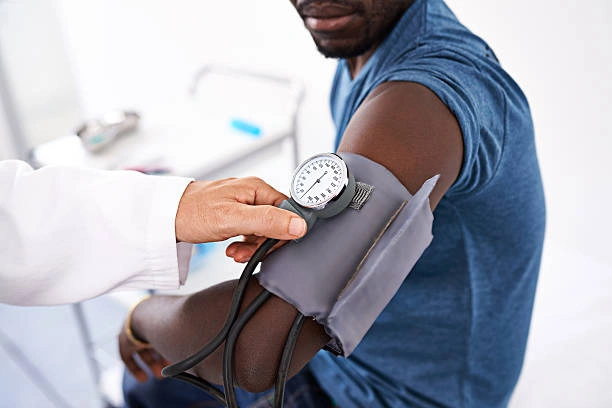
I Don’t Add Salt to My Food So Why Is My Blood Pressure Still High? One of the most common reactions people have after being diagnosed with hypertension is confusion.
- “I barely add salt to my food.”
- “I don’t even eat that badly.”
- “So where is the high blood pressure coming from?”
What many people don’t realize is that hypertension is not only about the salt shaker sitting on the dining table.
In fact, some of the biggest contributors to high blood pressure are hiding in foods people consume every day without thinking twice.
The “Hidden Sodium” Problem
Most sodium doesn’t come from the salt you sprinkle onto your meals.
It comes from processed and packaged foods.
- Bread.
- Instant noodles.
- Processed meats.
- Canned foods.
- Fast food.
- Sauces and seasonings.
- Snacks and biscuits.
Even foods that don’t taste salty can still contain large amounts of sodium.
This is why someone can reduce table salt and still struggle with high blood pressure.
Why Sodium Matters So Much
Sodium affects how the body balances fluids.
Too much sodium causes the body to hold onto extra water, increasing the volume of blood moving through your blood vessels. That added pressure forces the heart to work harder over time.
The dangerous part is that this process happens gradually and quietly.
No dramatic symptoms.
No obvious warning signs.
Which is why many people only discover their blood pressure is high during routine checks or after complications begin.
Restaurant and Fast Food Meals Are Bigger Culprits Than People Think
One restaurant meal can sometimes contain an entire day’s recommended sodium intake—or even more.
The issue isn’t only taste. Restaurants and fast-food outlets often use excess salt, seasonings, sauces, and processed ingredients to improve flavor and shelf life.
This means someone who eats out frequently may consume very high sodium levels without realizing it.
It’s Not About Eating “Bland” Food
Many people hear “reduce sodium” and immediately imagine tasteless meals.
But managing hypertension nutritionally isn’t about punishment, it’s about smarter balance.
Using natural herbs, spices, garlic, ginger, onions, and fresh ingredients can improve flavor while helping reduce dependence on excessive salt and processed seasonings.
Potassium Matters Too
One thing many people overlook is that nutrition for blood pressure isn’t just about reducing sodium, it’s also about increasing supportive nutrients.
Foods rich in potassium help the body balance sodium more effectively. Fruits, vegetables, beans, and whole foods naturally support healthier blood pressure levels.
This is one reason heavily processed diets often work against heart health: they’re usually high in sodium and low in protective nutrients.
The Bottom Line
High blood pressure isn’t always caused by the salt you can see.
Sometimes it’s the hidden sodium quietly built into everyday foods and routines.
And that’s what makes hypertension tricky, because many people believe they’re eating “normally” while their body is silently under pressure.
Managing blood pressure through nutrition starts with awareness.
Because sometimes, the problem isn’t the salt you add, It’s the salt you never realized was already there.
Got questions? Drop them in the comments below—we would love to hear from you!
RD, LD Julius Sammah
MyHealthCop Certified Dietician
Ready to Take the First Step?
👉 Book a 1-on-1 Session with any of our Certified Dietitian professionals to start your health journey today. [DOWNLOAD THE APP]

Popular posts

Reach Us on Our Social Media Platforms