
Read time : 3 minutes
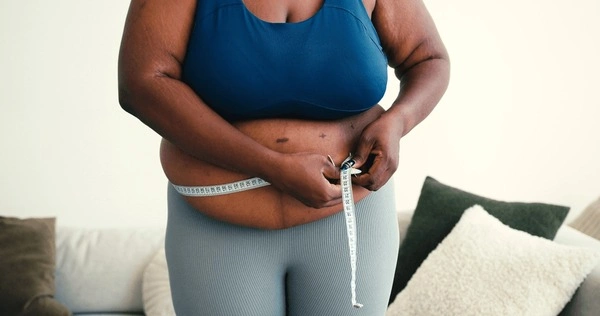
The Healthy Eating Mistakes That Are Slowing Down Your Weight Loss. Most people trying to lose weight believe they’re doing the right things. Eating “healthy,” cutting portions, avoiding junk food. Yet the scale barely moves, or worse, it goes back up.
So what’s really going on?
The truth is, weight loss isn’t just about eating less. It’s about eating right. And sometimes, what we think is “healthy” can quietly work against us.
Why “Healthy” Doesn’t Always Mean Effective
Foods labeled as healthy can still be high in calories, sugar, or unhealthy fats. Smoothies packed with sweetened yogurt, oversized portions of granola, or constant snacking on “healthy” treats can easily push you into a calorie surplus without realizing it.
Weight loss comes down to a simple principle: your body needs to burn more energy than it consumes. But the quality of those calories determines how easy, or difficult, that process becomes.
Highly processed foods tend to spike hunger and cravings, while whole foods keep you fuller for longer. That’s why two diets with the same calories can produce very different results.
The Role of Hunger and Satiety
One of the biggest mistakes people make is ignoring how food affects fullness.
Meals built around refined carbs and sugar digest quickly, leaving you hungry again in a short time. On the other hand, meals rich in protein, fiber, and healthy fats slow digestion and help control appetite.
This is why a balanced plate matters more than just portion size.
A simple way to think about it:
If your meals aren’t keeping you full, your diet won’t last.
What Your Plate Should Look Like
You don’t need complicated meal plans or extreme restrictions. You need structure.
Focus on:
- Protein sources like eggs, fish, chicken, beans, or Greek yogurt
- Fiber-rich foods such as vegetables, fruits, and whole grains
- Healthy fats from nuts, seeds, and avocados
This combination helps stabilize blood sugar, reduce cravings, and support steady weight loss.
The Snacking Trap
Snacking isn’t the enemy, but mindless snacking is.
A handful of nuts can turn into several servings. A quick bite here and there may seem small, but it adds up quickly over the day. Many people underestimate how much they consume between meals.
If you’re not truly hungry, it’s probably not time to eat.
Consistency Over Perfection
One of the biggest reasons diets fail is the all-or-nothing mindset. People eat “perfectly” for a few days, slip once, and then give up entirely.
Weight loss doesn’t work that way.
It’s what you do consistently that matters. One balanced meal won’t make you lose weight, just like one indulgent meal won’t make you gain it. But repeated habits over time will shape your results.
The Bottom Line
Sustainable weight loss isn’t about starving yourself or chasing trends. It’s about understanding how food works in your body and making smarter choices more often than not.
Eat in a way that keeps you full, energized, and consistent. That’s the real strategy, not shortcuts, not extremes.
Got questions? Drop them in the comments below—we would love to hear from you!
RD, LD Julius Sammah
MyHealthCop Certified Dietician
Ready to Take the First Step?
👉 Book a 1-on-1 Session with any of our Certified Dietitian professionals to start your health journey today. [DOWNLOAD THE APP]

Popular posts

Reach Us on Our Social Media Platforms